Serpentine
A soft, waxy-green magnesium silicate named for its snakeskin mottling — not one mineral but a whole family — and cherished in the crystal world as the earthy “kundalini stone” of awakening, nature and abundance.
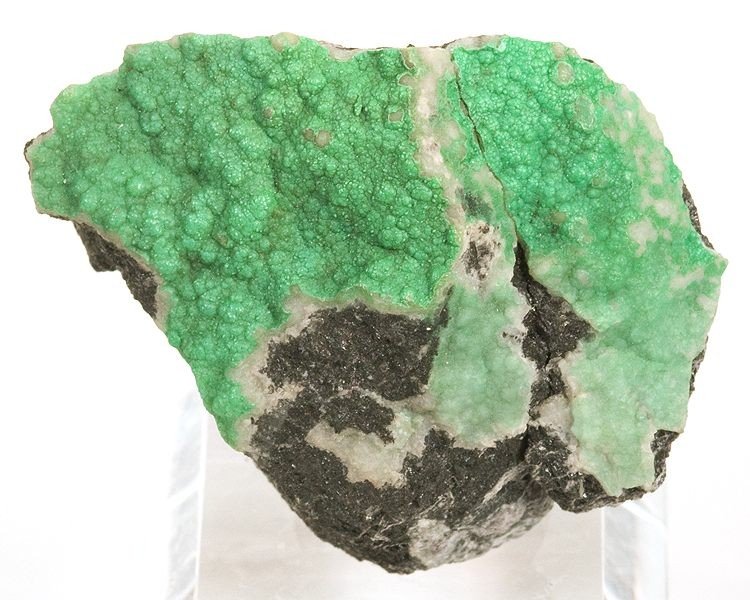
Serpentine group · Awakening & earth
In short Serpentine is not a single mineral but a group of hydrous magnesium silicates — chiefly antigorite, lizardite and chrysotile — with the general formula (Mg,Fe)3Si2O5(OH)4. It forms when water alters olivine-rich rock deep in the earth, and its mottled, veined, waxy-green surface gave it its name, from the Latin for serpent. It is soft (2.5–5.5 Mohs) and carves beautifully, which is why it has been worked for millennia and is sometimes sold as “new jade.” The crystal tradition reads it as a heart-centred, earthy stone of kundalini awakening, nature-connection, abundance and calm — symbolic uses, this guide explains, rather than medical ones.
Serpentine is the green of the deep earth. Waxy, mottled and often veined like the skin of a snake, it is one of the most abundant green stones on the planet — the rock that forms when seawater works its way into the mantle and turns hard, dark olivine into something soft, smooth and carvable. Ancient cultures worked it into amulets and bowls; modern crystal lovers reach for it as an earthy stone of awakening, growth and quiet natural calm.
This guide covers what serpentine actually is, why it is a whole family rather than one mineral, where its snake-named reputation comes from, the important truth about its asbestos-forming cousin, and how to tell it from the jade it so often stands in for.
What is serpentine?
Serpentine is a group of hydrous magnesium silicates — phyllosilicates with the general formula (Mg,Fe)3Si2O5(OH)4. It is a secondary mineral: it does not crystallise from a melt but forms when hot water alters olivine-rich, ultramafic rock such as peridotite, in a process called serpentinisation. The rock it builds is serpentinite, the greenish, greasy-looking stone that makes up huge tracts of the ocean floor and old mountain belts.
Because it grows this way, serpentine is usually massive and fine-grained rather than well-crystallised, with a smooth, waxy to greasy lustre and colours from pale apple-green through olive and yellow to brown, grey and near-black. It is soft — most material sits between 2.5 and 5.5 on the Mohs scale — which makes it easy to carve but easy to scratch. Its formation from altered mantle rock is part of the wider story of how minerals crystallise and change, explored in our guide to the seven crystal systems.
Serpentine meaning & history
The name comes straight from the stone’s appearance: its mottled, scaly green patterning reminded Roman naturalists of a serpent’s skin, and the Latin serpens stuck. In folk tradition that snake association ran two ways — serpentine was carried as a protective talisman against snakebite and venom, and, because snakes shed and renew, it also came to stand for transformation and renewal.
Worked for thousands of years — into Egyptian scarabs, Chinese carvings, Roman vessels and European altarpieces — serpentine gathered a reputation as an earthy, protective, life-affirming stone. In the modern crystal world it is best known as the “kundalini stone,” said in that tradition to help awaken and guide energy up through the body, and as a gentle green emblem of nature-connection, abundance and new growth.
A group & the asbestos question
Two things are worth understanding clearly. The first is that “serpentine” covers three main minerals — antigorite (platy or fibrous, the usual carving and jewellery material), lizardite (fine-grained and massive, named after the Lizard peninsula in Cornwall) and chrysotile (finely fibrous). They share a chemistry but differ in how they grow.
The second is a matter of honesty and safety: chrysotile serpentine is white asbestos. In its raw, friable, fibrous state it can shed respirable fibres and is genuinely hazardous. The solid, polished antigorite and bowenite serpentine used for tumbled stones, beads and carvings is not the friable asbestos form and is safe to handle as a finished piece. The sensible rules are simple: buy solid, finished stone; don’t grind, cut or sand serpentine yourself; and never inhale its dust. Treated with that ordinary care, jewellery serpentine is a perfectly safe stone to own.
Serpentine healing properties
In the crystal tradition, serpentine is valued as a stone of awakening, earth-connection and abundance.
People typically turn to serpentine for:
- Kundalini & energy flow. Its signature association — read as helping awaken and guide energy smoothly up through the body.
- Grounding in nature. An earthy green stone, linked to feeling connected to the natural world and to the earth beneath you.
- Abundance & growth. Traditionally carried to encourage prosperity, renewal and fresh, flourishing beginnings.
- Calm & emotional cleansing. Associated with a settled heart, letting go of old patterns and quiet, steady wellbeing.
These are traditional and symbolic uses, not medical claims. There is no scientific evidence that any crystal treats, cures or prevents any illness, and serpentine has no proven effect on health, energy or wealth. Nothing here is intended to diagnose, treat or prevent any condition; health and life concerns belong with the appropriate qualified professional.
Serpentine, the chakras & zodiac
Serpentine’s green colour ties it firmly to the heart chakra (Anahata), the centre of love, growth and connection — the natural home for a stone so linked to living, flourishing things. Because of its kundalini associations it is also read as helping clear and open the whole chakra column, from root to crown. It shares its green, heart-centred territory with jade, green aventurine and malachite. For the wider framework, see our guide to the seven chakras and their crystals.
By zodiac, serpentine is most often linked to Gemini, and sometimes read as a stone for the whole zodiac given how earthy and universal it is.
How to use serpentine
- Wear it as jewellery. Beads, pendants and cabochons are popular — the harder bowenite variety wears best; softer serpentine needs gentler handling.
- Carry a tumbled stone. A favourite pocket piece for its earthy, grounding, growth-minded associations.
- Hold it in meditation at the heart. Often chosen for kundalini and heart-centred practice.
- Keep a carving or figurine on your desk or altar. Serpentine’s carvability makes it a classic material for sculpture.
- Set one among plants or in the garden. A fitting home for such an earth-connected green stone.
How to cleanse & charge serpentine
- Keep water brief, or skip it. Serpentine is soft and can be slightly porous, so avoid long soaks; a quick wipe with a damp cloth is safer than a rinse.
- Never use salt water or harsh chemicals, which can pit or dull the soft surface.
- Smoke, sound, moonlight or selenite are ideal — safe, dry, contact-free methods for a delicate stone.
- Rest it on the earth or among plants to “reset” this most earthy of stones.
- Avoid ultrasonic and steam cleaners, which can damage soft, veined material.
Our general guide to cleansing and charging crystals covers each method in more detail, including which stones tolerate water and which do not.
Types & origins
- Antigorite. The commonest carving and jewellery serpentine — platy to fibrous, in every shade of green.
- Bowenite. A hard, translucent apple-green serpentine, widely sold as “new jade” or “Korea jade.”
- Lizardite. Fine-grained massive serpentine, named after the Lizard peninsula in Cornwall, England.
- Williamsite. A prized translucent oil-green antigorite, cut as a collector’s gem.
- Serpentinite. The mottled green rock, made largely of serpentine minerals, used for building stone and carving.
Serpentine is found worldwide, with fine material from China, Afghanistan, the United States, Italy, England and New Zealand, where a green serpentine known as pounamu-country stone is traditionally valued. It is an inexpensive, abundant stone chosen for the beauty of its green and the ease with which it carves — value comes from an even, translucent colour and a fine, workable texture rather than rarity.
Real vs fake
- Sold as jade. The biggest “fake” issue is honesty of name: bowenite serpentine is routinely sold as “new jade,” and dyed serpentine is passed off as true jadeite or nephrite, which are harder and more valuable.
- Dyed serpentine. Pale material is sometimes dyed a vivid, even green; natural serpentine has softer, mottled, uneven colour.
- Glass and resin. Moulded green glass or resin mimics carvings but lacks the stone’s waxy feel and may show bubbles.
- The hardness tell. Serpentine is soft and scratches easily; genuine jade does not. If a “jade” carving scratches with a knife, it is very likely serpentine.
The workable rule: treat “new jade” as serpentine, and test hardness before paying jade prices. For the wider method, see our guide to spotting dyed and imitation stones.
Genuine, correctly identified serpentine
If you’d like a piece of your own, Minerals Kingdom offers authenticated natural serpentine — correctly labelled as serpentine rather than jade, and honestly described.
Serpentine pairs well with
Frequently asked questions
What is serpentine good for?
Traditionally, serpentine is used for kundalini awakening, earth-connection, abundance and calm — a heart-centred, earthy stone. These are symbolic, traditional uses, not proven medical effects. No crystal treats illness, and serpentine has no demonstrated effect on health or energy.
Is serpentine the same as jade?
No. Serpentine is softer and chemically different from true jade (jadeite or nephrite). The hard, translucent serpentine variety bowenite is widely sold as “new jade,” but it is a jade substitute, not jade — and far more affordable.
Is serpentine dangerous or asbestos?
One serpentine mineral, chrysotile, is white asbestos and is hazardous in its raw, fibrous state. The solid, polished antigorite and bowenite serpentine used for beads and carvings is not the friable asbestos form and is safe to handle. Just don’t grind, cut or inhale the dust — buy finished pieces.
Can serpentine go in water?
Keep it brief. Serpentine is soft and can be slightly porous, so avoid long soaks, salt water and harsh chemicals. A quick wipe with a damp cloth, or dry methods such as smoke, sound, moonlight or selenite, are safer choices.
What is “new jade”?
“New jade” is a trade name for bowenite, a hard, translucent green serpentine used as an affordable jade substitute. It is genuine serpentine, correctly priced well below true jade, and should be sold as such.
What crystals pair well with serpentine?
Other green heart and growth stones suit it well — jade for prosperity, green aventurine for luck and opportunity, and malachite for transformation. Together they make a coherent green, heart-centred grouping.
Image credits · Hero and buy-box: green antigorite (serpentine) — specimen photo Rob Lavinsky / iRocks.com, via Wikimedia Commons (CC BY-SA 3.0).