Crystals for Anxiety, Stress & Calm
The stones people reach for when the mind won’t slow down — and how to use them well.
Calm · in the palm of a hand
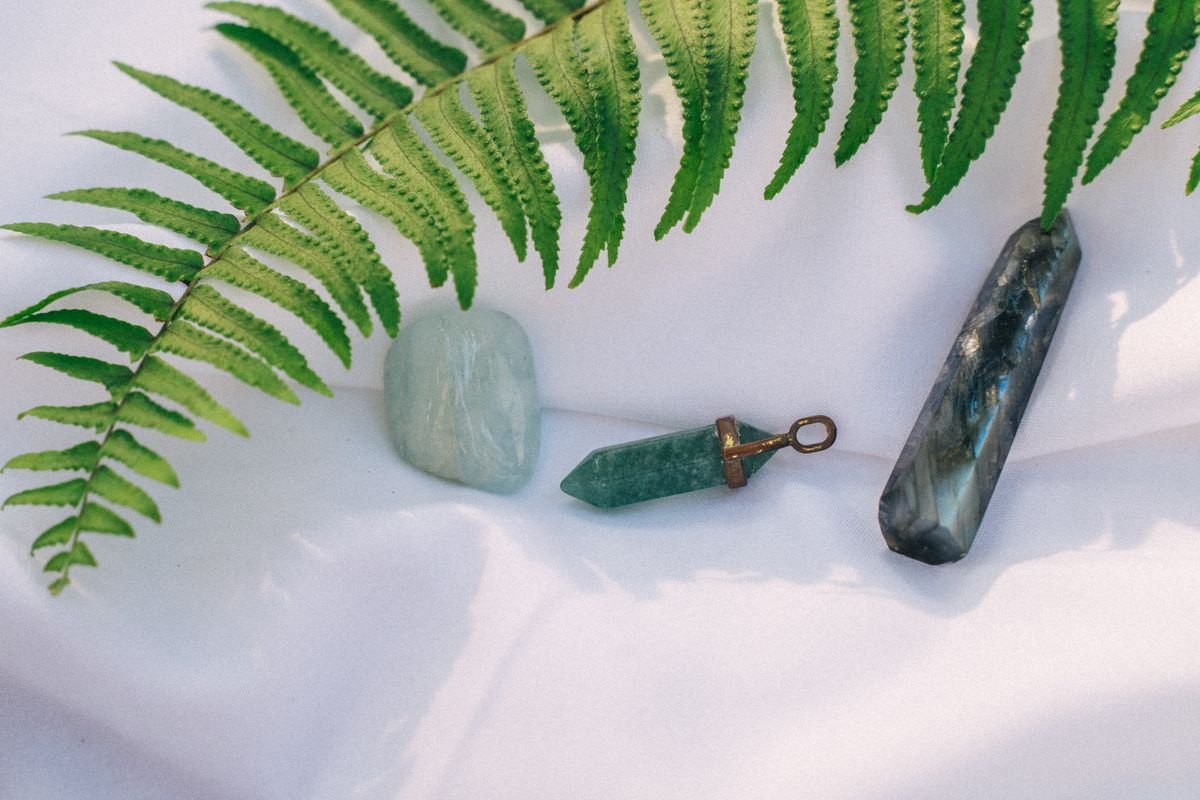
The calming crystals people turn to most are amethyst (a quiet, clear mind), rose quartz (self-compassion), lepidolite (deep relaxation), blue lace agate (soothing the nerves) and black tourmaline (grounding fear). They work as a focus for a calming ritual — held, carried or kept by the bed. They’re a support, not a treatment: real, lasting anxiety deserves real care too.
When the mind is racing — replaying the day, bracing for tomorrow — many people reach for a crystal. Not as a cure, but as something to hold: a small, cool, steady object that gives the hands something to do and the attention somewhere to land. That, in honest terms, is what calming crystals offer. This guide covers the stones most often used for anxiety and stress, how to choose between them, and how to fold them into a ritual that genuinely helps you slow down.
Why crystals for anxiety?
Let’s be clear and kind about this from the start. No crystal has been shown to treat anxiety in any medical sense. What crystals offer is something subtler and still real: a ritual and a focus. Holding a smooth stone, breathing slowly, and turning your attention to its weight and temperature is a small act of mindfulness — and mindfulness, unlike the stone itself, has well-documented calming effects.
So the value isn’t hidden in the mineral; it’s in the pause the mineral invites. A crystal becomes an anchor — a physical reminder to stop, breathe and come back to the present. Used that way, honestly and without overblown claims, a calming stone can be a genuinely helpful companion to other healthy habits.
The best calming crystals
Amethyst — the quiet mind
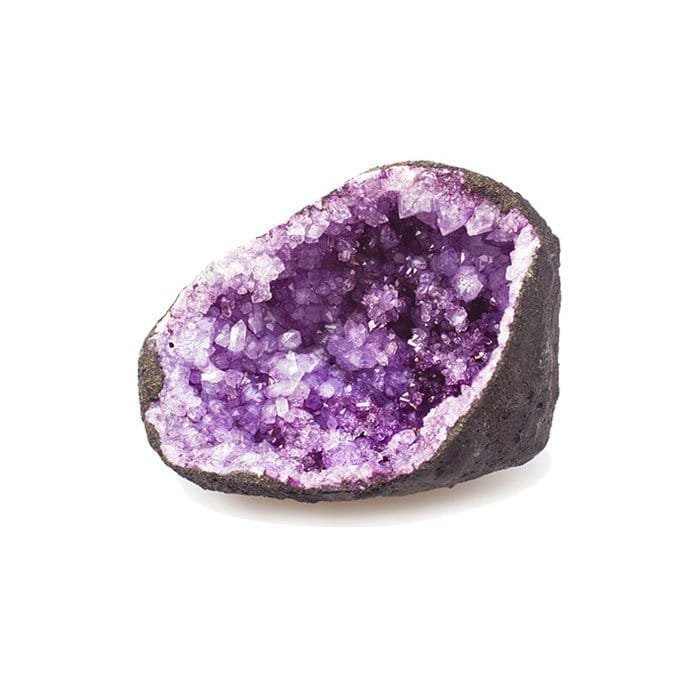
Amethyst is the first stone almost everyone names for calm. Its violet colour and long association with a clear, sober mind make it the classic choice for winding down an overactive head and easing into sleep. Keep it by the bed or hold it during a few slow breaths.
Rose quartz — self-compassion
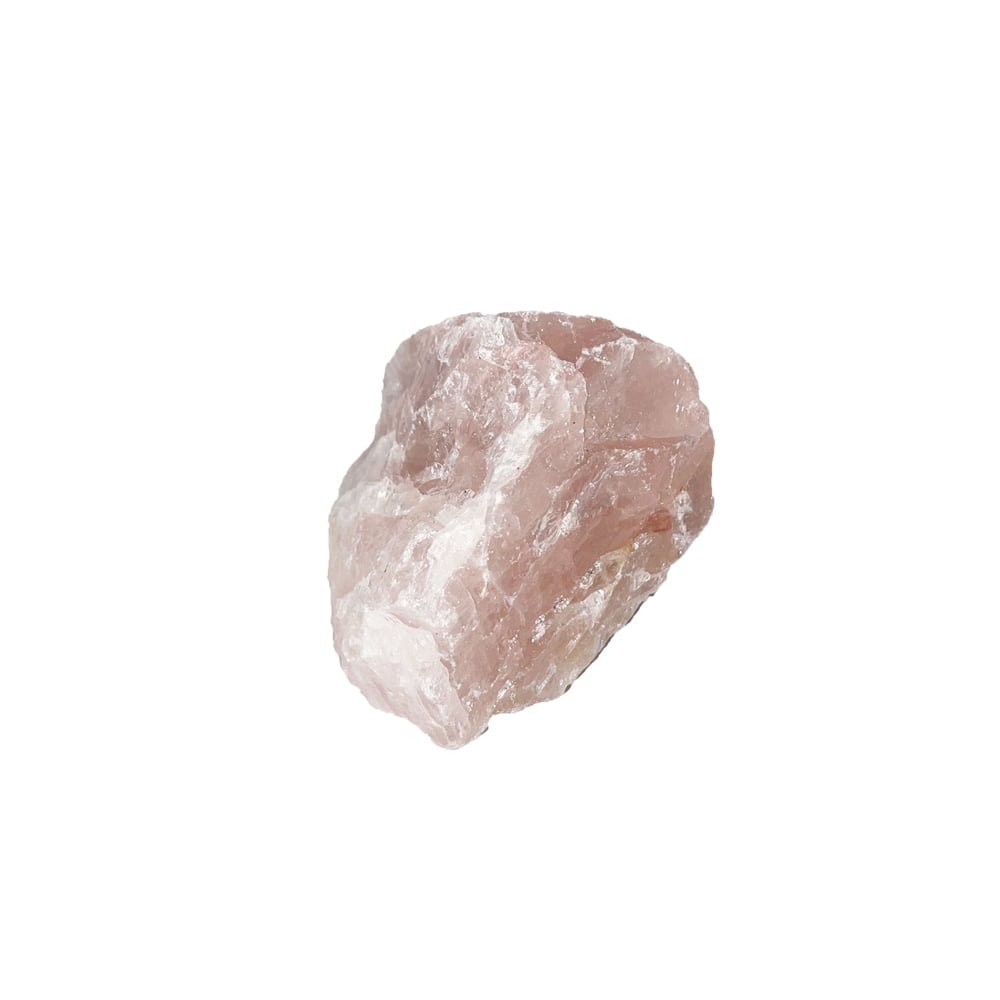
Anxiety often comes wrapped in self-criticism. Rose quartz, the gentle pink stone of the heart, is the traditional antidote: a focus for softening toward yourself, for kindness rather than pressure. A lovely stone to hold when the worry is really about not being “enough.”
Lepidolite — deep relaxation
Lilac and pearly, lepidolite naturally contains lithium — a detail the tradition loves to point out, even though the stone delivers none of it. It’s the crystal people reach for when stress has settled in deep, prized as a stone of emotional balance and release.
Blue lace agate — soothing the nerves
Pale blue and softly banded, blue lace agate is the gentlest of the calming stones — associated with a quiet voice, easy communication and soothed nerves. A good choice when anxiety shows up as a tight throat or the dread of speaking up.
Black tourmaline — grounding fear
Sometimes calm means feeling safe and planted rather than soothed. Black tourmaline, like obsidian, is a grounding, protective stone — the one to hold when anxiety feels like being unmoored, to bring you back to your feet and the floor beneath them.
Two more deserve a mention: selenite, valued for its bright, clearing quality when the mind feels cluttered, and clear quartz, the all-purpose stone often paired with a calming crystal to “amplify” the intention.
Which calming crystal should you choose?
They overlap, but each leans a little differently. Match the stone to the shape of your stress:
- Racing thoughts, trouble sleeping: amethyst.
- Self-criticism, a heavy heart: rose quartz.
- Deep, settled stress: lepidolite.
- Nervousness, fear of speaking: blue lace agate.
- Feeling unmoored or unsafe: black tourmaline.
- A cluttered, foggy mind: selenite.
And trust your own pull. Because the benefit lives in the ritual, the stone you’re genuinely drawn to — the colour you like, the one that feels good in the hand — is the one you’ll actually use.
How to use calming crystals
- Carry a pocket stone. A small tumbled stone is a tactile cue to pause and breathe during a stressful day.
- Hold it while you breathe. Cup it in both hands for a few slow breaths — in through the nose, out slowly through the mouth.
- Keep it by the bed. Amethyst or lepidolite on the nightstand supports a calmer wind-down.
- Wear it. A pendant or bracelet keeps the stone — and its reminder — close all day.
- Make a small calm corner. A cluster of soft-coloured stones somewhere you can see them becomes a visual cue to slow down.
A simple calming ritual
If you’d like a little structure, here’s a two-minute practice you can repeat whenever stress rises. It’s the breathing that calms you; the stone simply gives the ritual an anchor.
- Settle. Sit comfortably and hold your chosen stone in both hands.
- Notice. Feel its weight, its coolness, its texture. Let your attention rest there.
- Breathe. Inhale slowly for four counts, exhale for six. Repeat five or six times.
- Name one intention. Silently, something simple: “I can let this go for now.”
- Return. Slip the stone back into your pocket as your cue to carry that calm with you.
These are traditional, symbolic supports, not medical treatment. Crystals can help you build a calming ritual, but they cannot treat an anxiety disorder, and nothing here is intended to diagnose or cure any condition. If anxiety is affecting your daily life, please reach out to a doctor or qualified mental-health professional — a stone is a companion to that care, never a replacement for it.
How to cleanse & charge calming crystals
Stones you hold in tense moments are often the ones people most like to “reset.” Use gentle, all-purpose methods, as several calming stones are soft: moonlight overnight, incense or sage smoke, a selenite plate, or sound. Avoid water with lepidolite and selenite (both soft or soluble), and keep amethyst and rose quartz out of long, strong sunlight, which fades their colour. Once a month, or after a particularly hard stretch, is plenty.
Genuine, ethically sourced stones
If you’d like to begin a calming set, Minerals Kingdom offers authenticated natural amethyst, rose quartz, lepidolite and more — tumbled stones, points and jewellery.
Calming crystals pair well
When to seek help
Crystals belong to the gentle, everyday end of looking after yourself — alongside sleep, movement, time outdoors and connection. But anxiety can also be more than everyday stress. If worry is persistent, stops you sleeping or working, comes with panic, or pulls your mood low, that’s a sign to reach out for proper support. A GP or therapist can help in ways a stone cannot, and asking is a strength, not a failure. Keep your crystals for the calm corner — and let trained people help with the heavy lifting.