
Citrine
The sunlit quartz — the stone people keep for optimism and abundance.
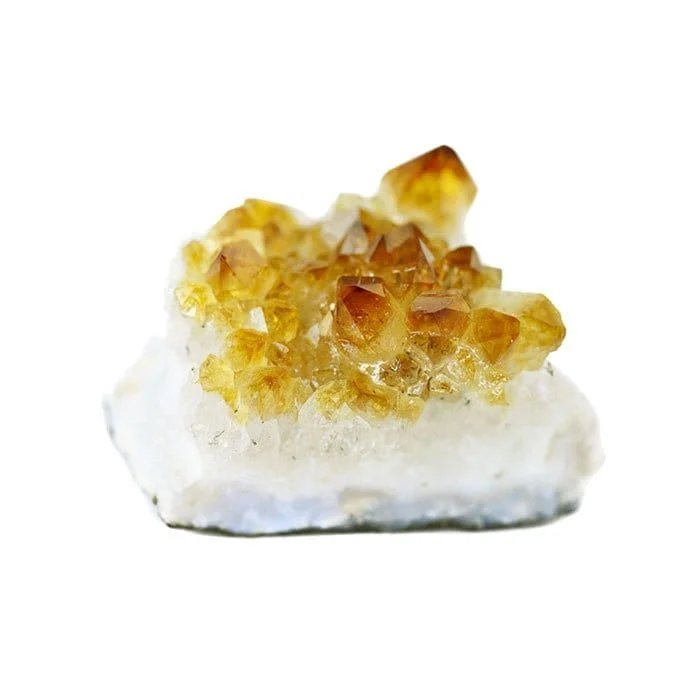
Golden quartz · Solar plexus
Citrine is the golden-yellow variety of quartz, traditionally the stone of abundance, optimism and confidence — so tied to success it earned the nickname the “merchant’s stone.” It’s the November birthstone and is linked to the solar plexus chakra. One honest thing worth knowing up front: most citrine sold is heat-treated amethyst, which is genuine quartz but should be disclosed. Below — what it is, where its meaning comes from, how to use and place it, the varieties you’ll meet, and how to tell natural from heated.
Citrine is sunshine in mineral form. Its warm, glowing yellow — somewhere between lemon, honey and amber — is so cheerful that people often describe simply owning a piece as a small lift to the spirits. That bright optimism, paired with a long-standing reputation for attracting prosperity, has made citrine one of the most popular crystals in the world and the natural companion to its cousin amethyst.
This guide covers everything worth knowing: what citrine actually is, the rather surprising truth about where most of it comes from, how its name and meaning developed, the ways people use and place it, how to keep it bright, the varieties you’ll meet, and — because it matters here more than with almost any other stone — how to tell a natural citrine from a heat-treated one. As always, we’ll keep the lore and the facts clearly labelled.
What is citrine?
Citrine is the yellow-to-orange variety of quartz — silicon dioxide (SiO₂), the same mineral as amethyst, clear rock crystal and smoky quartz. Its golden colour comes from traces of iron distributed through the crystal. In the palest stones that’s a soft, transparent lemon; in the richest, a deep amber or the reddish-brown shade gem dealers call “madeira,” after the fortified wine.
Here’s the part most guides skip over: natural citrine is genuinely rare. The great majority of citrine you’ll see in shops is amethyst — or sometimes smoky quartz — that has been heated until its purple turns golden. This isn’t a scam; it’s a long-established, stable treatment, and the result is still real quartz. It simply means the honest question to ask isn’t “is it real?” but “is it natural or heat-treated?” — and a good seller will happily tell you.
It forms exactly as other quartz does — silica-rich water depositing crystals in cavities and veins over long stretches of time — with the iron and a little natural heat in the ground giving the rare natural stones their yellow. On the Mohs scale citrine rates a sturdy 7, the same as amethyst, so it’s durable, easy to care for and well suited to everyday jewellery.
Citrine meaning & history
The name is a clue to the colour. Citrine comes from the French citron — lemon — a word adopted in the sixteenth century for yellow quartz. People had treasured the stone long before that, of course: the Greeks and Romans cut golden quartz into intaglios and cabochons, and through the centuries it was prized as a sunny, affordable alternative to costlier yellow gems like topaz.
Its best-known nickname tells you everything about its symbolism. Citrine is the “merchant’s stone” — also called the “success stone” — from an old tradition of keeping a piece in the till or cash box to encourage prosperity and good trade. From there its meaning settled into a bright, warm register: abundance, optimism, confidence and joy. Where amethyst is the stone of calm and tiger’s eye the stone of nerve, citrine is the stone of sunshine — of expecting things to go well.
That association with the sun runs deep. Citrine’s golden glow has always linked it to warmth, vitality and generosity, and it’s often described as a stone that “carries the power of the sun.” It’s no accident that it became the gem of choice for celebrating success and new ventures.
Citrine healing properties
In the crystal tradition, citrine is above all a stone of abundance and positivity. It’s the one most often suggested for lifting mood, building confidence, and supporting motivation around money, work and new projects. Because of its sunny associations it’s also reached for to dispel gloom and to encourage a more generous, optimistic outlook.
People typically turn to citrine for:
- Abundance & prosperity. The classic “merchant’s stone” for success and good fortune.
- Optimism & joy. A bright, warming presence said to lift the spirits.
- Confidence & motivation. Linked to the solar plexus and personal drive.
- Manifestation. A favourite focus stone for setting intentions and goals.
These are traditional and symbolic uses, not medical or financial claims. Citrine is a lovely, motivating focus for a positive mindset — it is not a treatment, and keeping a crystal will not, on its own, change your finances or health. If you’re struggling with low mood or money worries, please also seek qualified support.
Citrine, the chakras & birthstone
In chakra work, citrine is most strongly tied to the solar plexus chakra (Manipura), the centre of confidence, willpower and personal power — a natural home for a warm golden stone. It’s also associated with the sacral chakra, the seat of creativity and drive. Together these make it a stone the tradition reads as both energising and confidence-building.
Citrine is a birthstone for November (shared with topaz), which makes it a meaningful late-autumn gift, and it’s the gem traditionally linked to the thirteenth wedding anniversary. Astrologically it’s often associated with sunny, expansive signs and with the sun itself, in keeping with its warm, optimistic character.
How to use citrine
Because citrine’s reputation is all about abundance and a positive outlook, most of the common ways to use it are about keeping that bright energy where you live and work.
- Place it in the “wealth corner.” In feng shui, citrine is often set in the far-left corner of a home or room from the entrance, or on a work desk.
- Keep one where money moves. A small stone near a till, wallet or workspace, in the old “merchant’s stone” tradition.
- Use it to set intentions. Hold a tumbled stone while you picture a goal — a popular manifestation ritual.
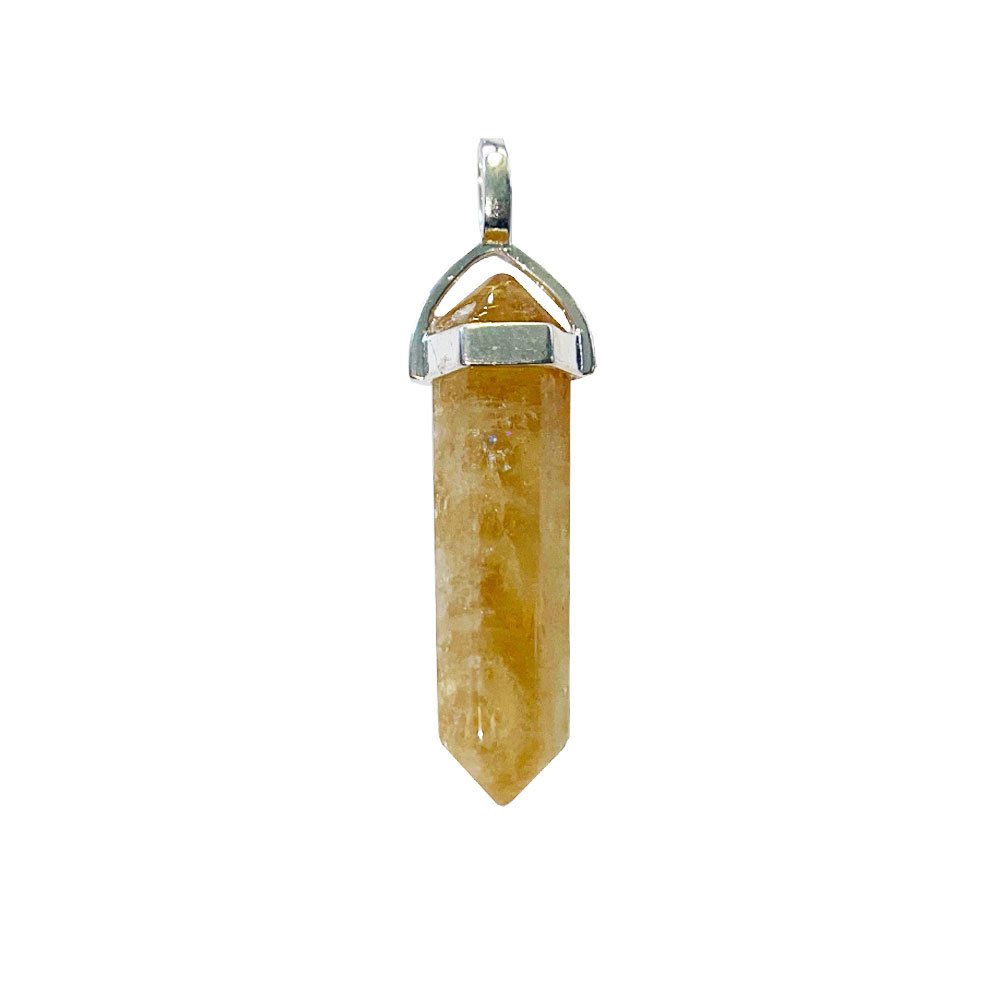
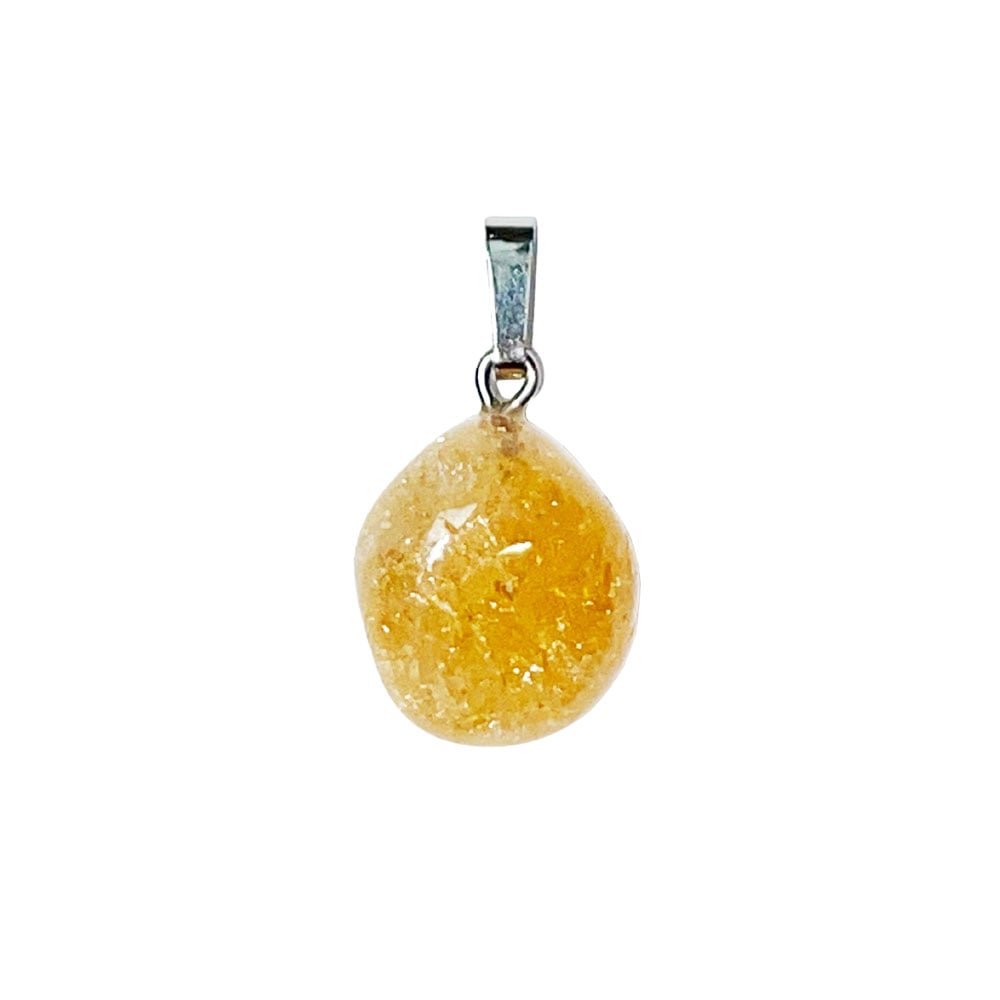
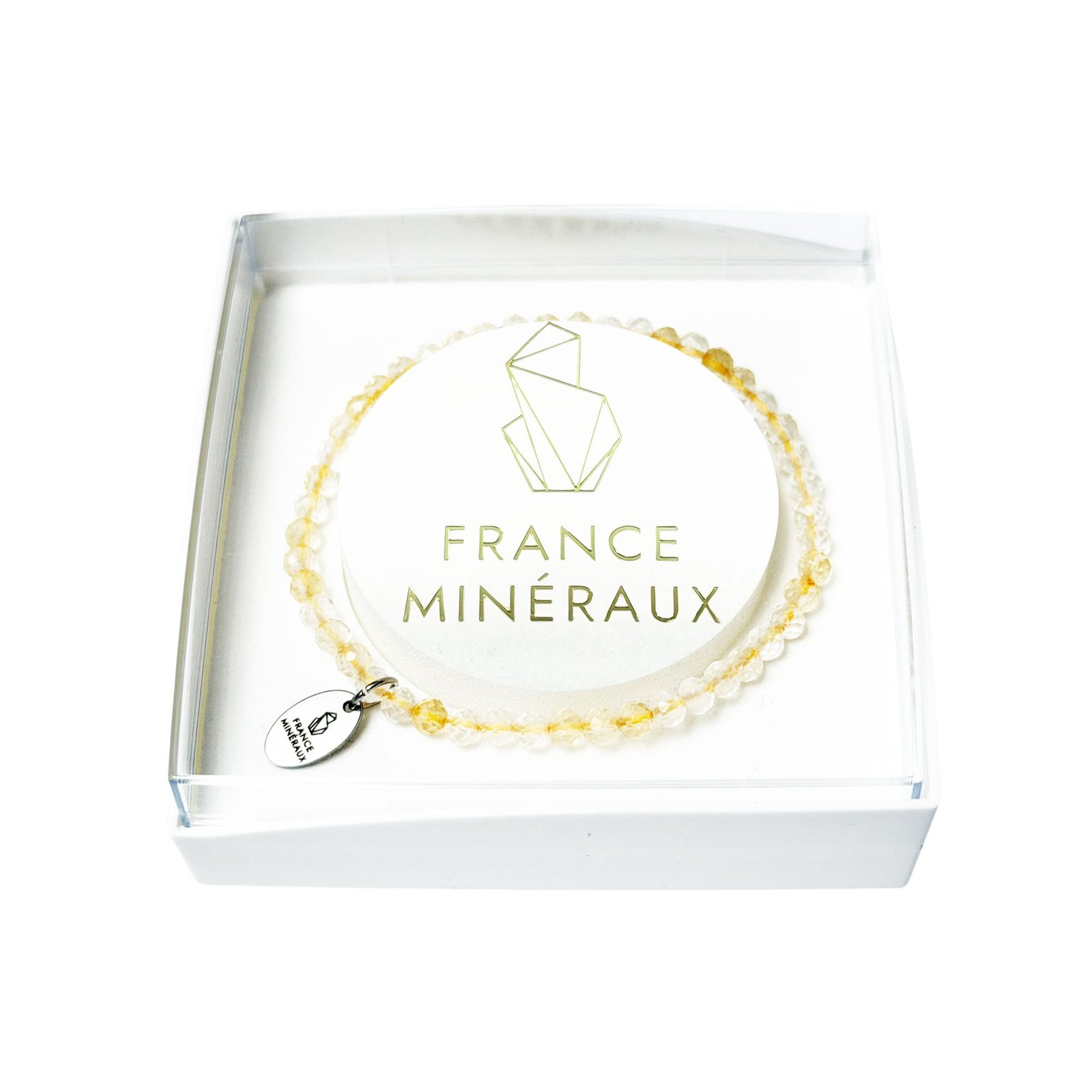
- Wear it. As a pendant, ring or bracelet, citrine keeps its sunny associations close; at hardness 7 it takes daily wear well.
- Brighten a dim room. A citrine cluster makes a warm focal point in a space that needs lifting.
How to cleanse & charge citrine
You’ll often read that “citrine never needs cleansing” because it doesn’t hold negative energy. It’s a charming idea and a popular one — but most people still like to reset a stone now and then, if only to keep it clean and cared for. Citrine shares one quirk with amethyst (its purple twin): its colour can fade in strong, prolonged sunlight, so it’s not a stone to leave baking on a sunny windowsill for weeks.
Good ways to cleanse citrine:
- Cool running water. A brief rinse is perfectly safe — it’s a hard quartz. Skip salt water and harsh chemicals.
- Moonlight. A night under the full moon is the classic, colour-safe method.
- Smoke. Pass it through incense, palo santo or sage smoke.
- Selenite. Rest it on a selenite plate overnight.
- Sound. A singing bowl or bell is a gentle, no-contact option.
To “charge” it, brief gentle sunlight or moonlight both work. Cleanse whenever it feels right — many people simply do it once a month, or after setting a new intention with the stone.
Types of citrine
“Citrine” covers a range of yellows and oranges, both natural and treated. A few names are worth knowing:
- Natural citrine. The genuine, untreated stone — usually a pale, even lemon-to-honey yellow. Rarer and quietly prized.
- Heat-treated citrine. Amethyst (or smoky quartz) heated until golden. The most common citrine on the market; richer orange-brown, often with a paler base.
- Madeira citrine. A deep, reddish-orange grade named after the wine — the most coveted warm colour.
- Lemon quartz. A bright, slightly greenish-yellow quartz, usually irradiated and heated; pretty, but not true citrine.
- Ametrine. A natural blend of amethyst and citrine in a single crystal, almost all from the Anahí mine in Bolivia.
Natural citrine comes mainly from Brazil, with notable material from Bolivia (the famous ametrine), Madagascar, Russia, Spain and the Democratic Republic of the Congo, whose pale “Kundalini” citrine is especially sought after.
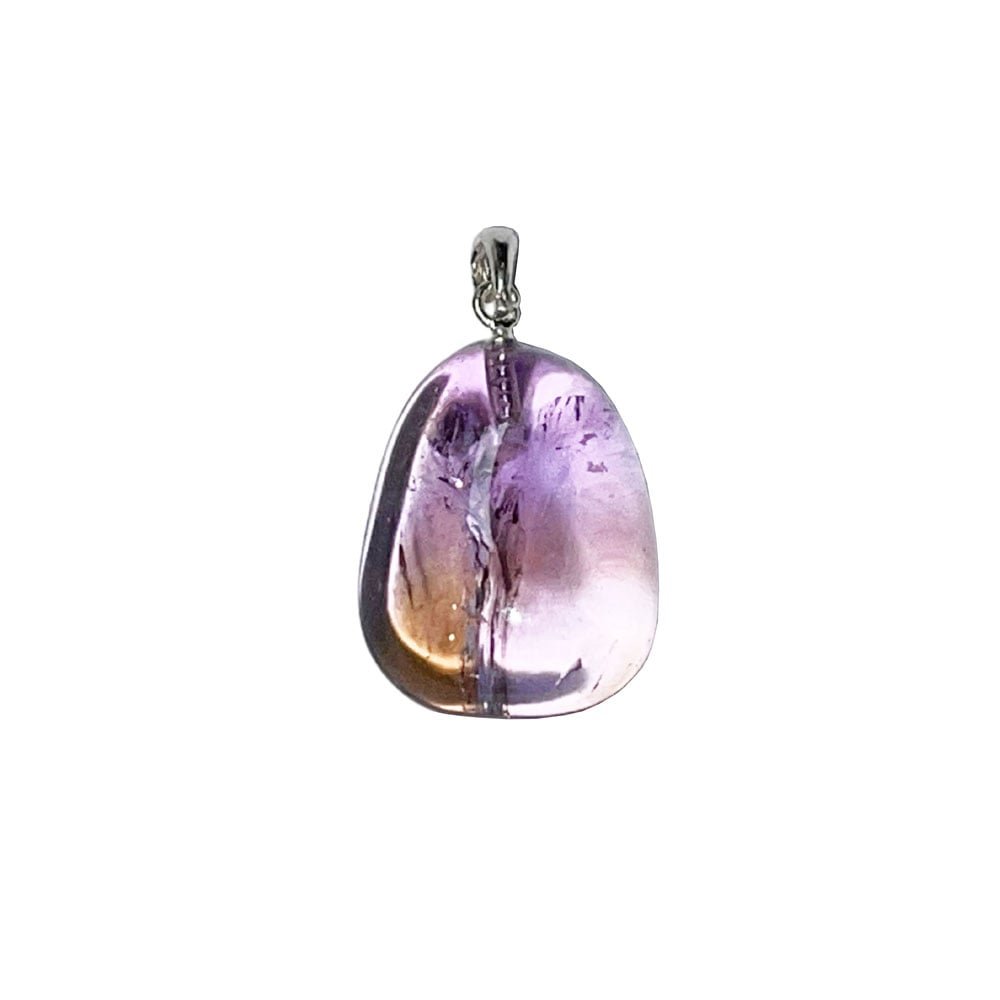
Is citrine rare or valuable?
It depends entirely on whether it’s natural or treated. Heat-treated citrine — the kind that fills most shops — is abundant and very affordable, which is part of why it’s such a friendly, everyday stone. Natural, untreated citrine is genuinely scarce, and good examples command a real premium, especially in the deep “madeira” tones or as clean, well-formed crystals.
As with all quartz, value tracks colour, clarity and size: a rich, even golden hue, good transparency and a generous crystal will always be worth more. For most buyers the honest advice is the same as ever — decide whether natural origin matters to you (and pay accordingly), then choose the stone whose warmth you genuinely love.
Natural vs heat-treated citrine
The most useful “real or fake” question for citrine is really natural or heated — because both are genuine quartz, but they look and cost differently. A few honest checks help you read a stone:
- Look at the colour spread. Natural citrine is usually a pale, even yellow throughout. Heat-treated amethyst often shows a whitish or smoky base with orange concentrated near the crystal tips.
- Watch for a reddish tint. A slightly “burnt,” reddish-orange cast is a classic sign of heat treatment.
- Be sceptical of bargain clusters. Large, vivid orange geodes sold cheaply are almost always heated amethyst.
- Rule out glass. Air bubbles, perfectly even colour and a stone that warms quickly in the hand point to glass rather than quartz.
- Feel the temperature. Natural quartz feels cool and warms slowly; glass warms fast.
None of this makes heat-treated citrine “fake” — it’s a real, stable, widely accepted stone. It simply means you should know what you’re buying, and pay a natural-citrine price only for a natural-citrine stone. If origin matters to you, buy from a seller who states clearly whether a piece is natural or heat-treated.
Genuine citrine, natural or honestly labelled
If you’d like a piece of your own, Minerals Kingdom offers authenticated citrine — tumbled stones, points, clusters and jewellery, with natural and heat-treated stones clearly described.